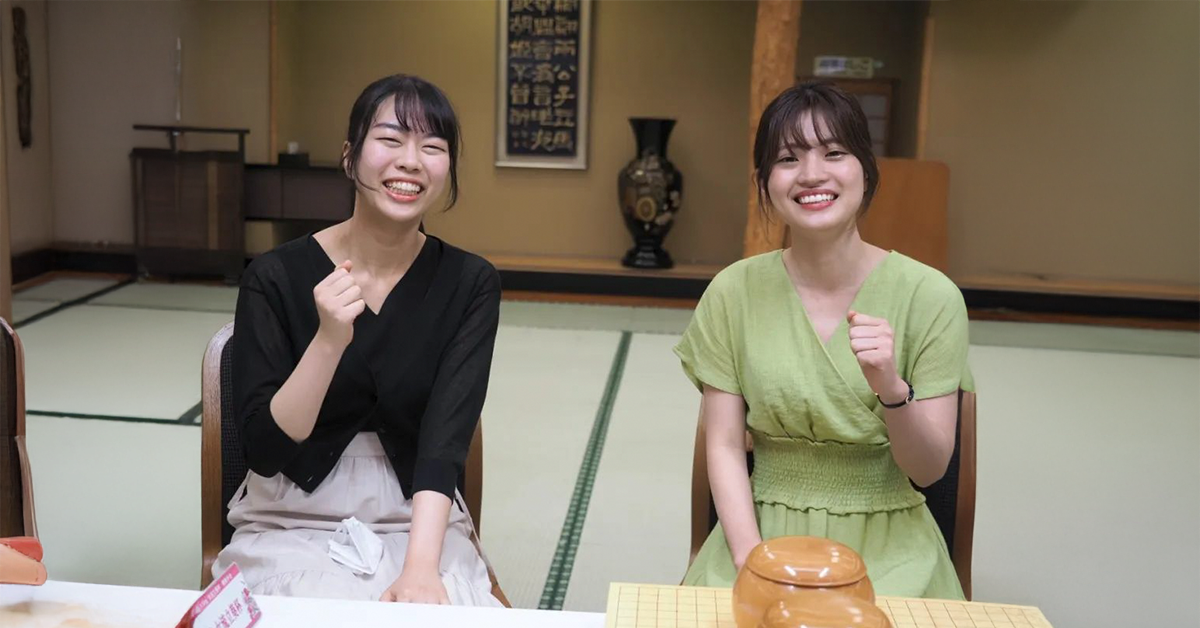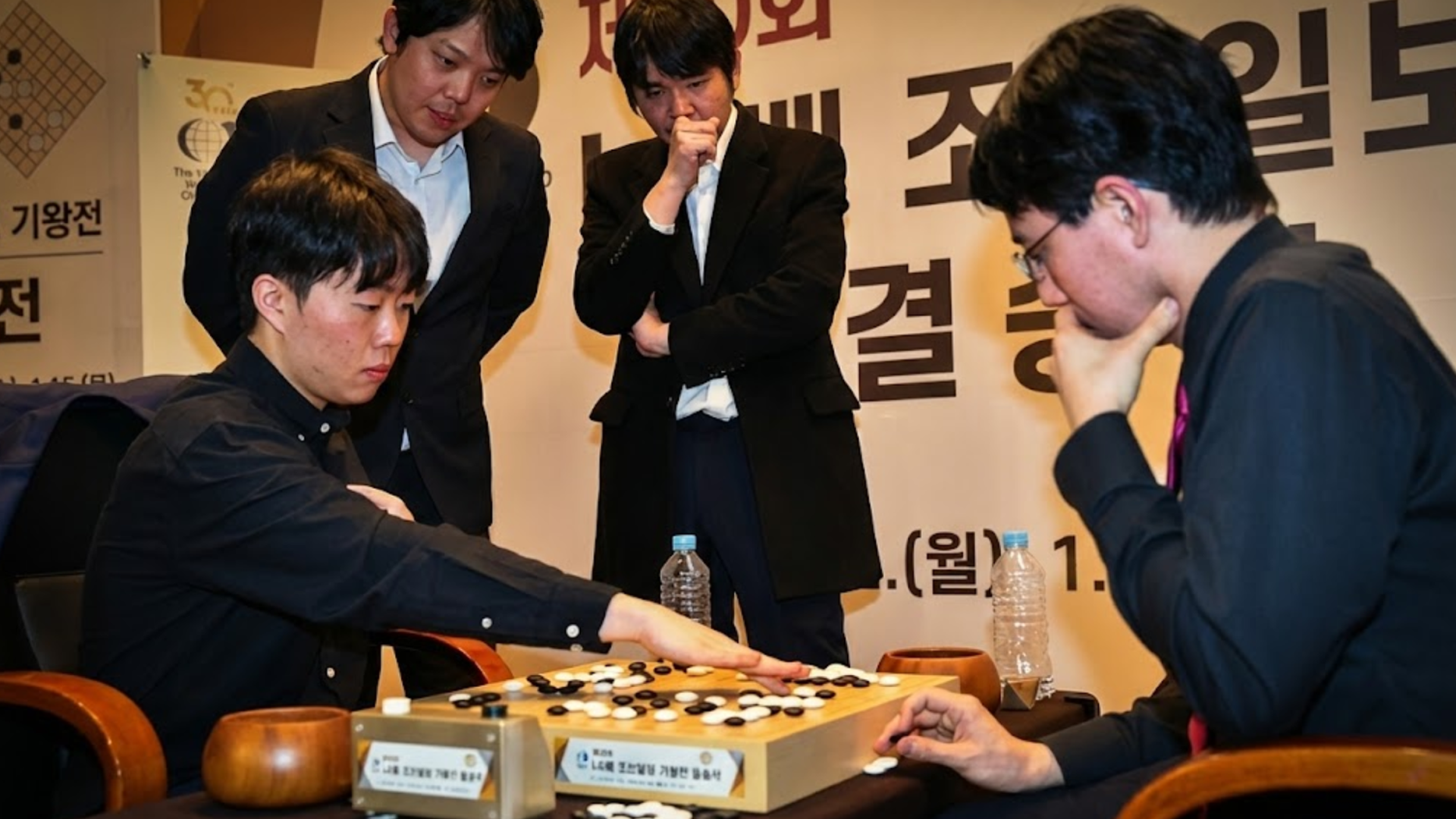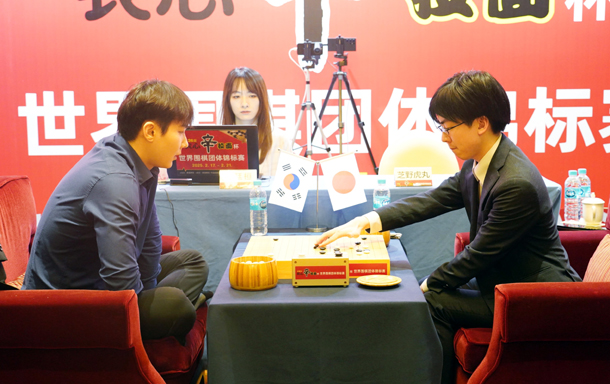

The Nongshim Cup, officially known as the Nongshim Shin Ramyun Cup World Baduk Championship, is an annual Go tournament where teams from China, Japan, and South Korea compete for the title. Established in 1999 and sponsored by the South Korean food company Nongshim, the Nongshim Cup is a prestigious event in the world of Go, attracting top players from each country. Nongshim created this tournament to promote the development of Baduk and support its enthusiastic fans12.

Format and Rules
The Nongshim Cup features a unique format that emphasizes both individual skill and team strategy. Each team consists of five players who compete in a series of one-on-one matches. The winner of each match continues to play against the next player from the opposing team, while the loser is eliminated. This continues until only one team has players remaining, making it a battle of attrition and endurance1. Notably, the Nongshim Cup is the only world team championship between countries that uses this successive winning method2.
The tournament is divided into three stages, each held in a different location. The first stage consists of four games, the second stage has five games, and the third stage has up to five games, as needed, to determine the winner. This multi-stage format adds an element of travel and adaptation to the competition1.
The time limit for each match is one hour per player, with an initial reading time of one minute per player. The komi, a bonus given to the white player to compensate for going second, is 6.5 points1. The winning team receives a prize of 500 million Korean won (approximately $340,000 USD). Individual players receive a 3 million won match fee for each game played. Players with a winning streak of at least 3 games also receive a 10 million won prize for each win beginning with the third1.
Past Winners
South Korea has historically dominated the Nongshim Cup, with 15 wins out of the 25 tournaments held2. China has secured 9 victories, while Japan has won only once. This highlights the strength and depth of South Korean Go.
| Country | Number of Wins |
|---|---|
| South Korea | 15 |
| China | 9 |
| Japan | 1 |
Detailed Results
While a detailed account of every Nongshim Cup is beyond the scope of this article, here are some notable moments and winning teams from recent tournaments:
- 18th Nongshim Cup (2016-2017): China emerged victorious, with Ke Jie, Tuo Jiaxi, and Lian Xiao remaining undefeated. Members of the winning team who did not need to play: Shi Yue, Gu Zihao. This marked the end of a four-year winning streak for South Korea3.
- 19th Nongshim Cup (2017-2018): South Korea reclaimed the title, with Park Junghwan as the sole undefeated player on the winning team3.
- 20th Nongshim Cup (2018-2019): China won again, with Shi Yue, Gu Zihao, and Ke Jie not needing to play in the final stage3.
- 21st Nongshim Cup (2019-2020): South Korea won, with Park Junghwan once again leading the team to victory. This tournament was particularly notable for a game between Mi Yuting and Shin Jin-seo that ended in a no-result due to a technical issue. Mi had placed a move, but the computer incorrectly declared that he had run out of time. Officials scheduled a rematch for the following day, which Shin won3.
- 22nd Nongshim Cup (2020-2021): South Korea continued their dominance, securing another win with Park Junghwan remaining undefeated3.
- 23rd Nongshim Cup (2021-2022): China broke South Korea’s winning streak, claiming the title3.
- 24th Nongshim Cup (2022-2023): South Korea reclaimed their position at the top, winning the tournament3.
Significance and Impact
The Nongshim Cup holds significant importance in the world of Go. It is a platform for top players to showcase their skills on an international stage and contributes to the global popularity of the game, especially in China2. The tournament’s unique format and high stakes create exciting matches and foster a sense of national pride among the competing countries.
Official Resources
For those interested in learning more about the Nongshim Cup, the official website provides detailed information about the tournament, including player profiles, match schedules, and historical results:
- Official Website: https://eng.nongshim.com/pr/baduk 2
Conclusion
The Nongshim Cup is a unique and prestigious Go tournament that brings together the best players from China, Japan, and South Korea. Its distinctive successive winning format, where individual matches determine the fate of entire teams, creates a compelling competition that has captivated Go enthusiasts for over two decades. With South Korea historically dominating the tournament and China emerging as a strong contender, the Nongshim Cup continues to be a stage for thrilling matches and national pride. The tournament also plays a crucial role in promoting Go internationally, particularly in Asia. As the Nongshim Cup progresses, it will be intriguing to witness the evolving dynamics between these Go powerhouses and the future champions who will emerge from this battle for supremacy.
Works cited
1. Nongshim Cup – Wikipedia, accessed on February 18, 2025, https://en.wikipedia.org/wiki/Nongshim_Cup
2. Shinramyun Cup World Baduk Championship – Nongshim, accessed on February 18, 2025, https://eng.nongshim.com/pr/baduk
3. Nongshim Shin Ramyun Spicy Beef Ramen Noodle Soup Cup, 2.64oz X 1 Count, Shelf-Stable – Walmart.com, accessed on February 18, 2025, https://www.walmart.com/ip/Nongshim-Shin-Ramyun-Spicy-Beef-Ramen-Noodle-Soup-Cup-2-64oz-X-1-Count-Shelf-Stable/10536203