
Fukuoka Kotaro becomes the youngest Honinbo in history, dethroning Japan’s top player in a deciding fifth game.
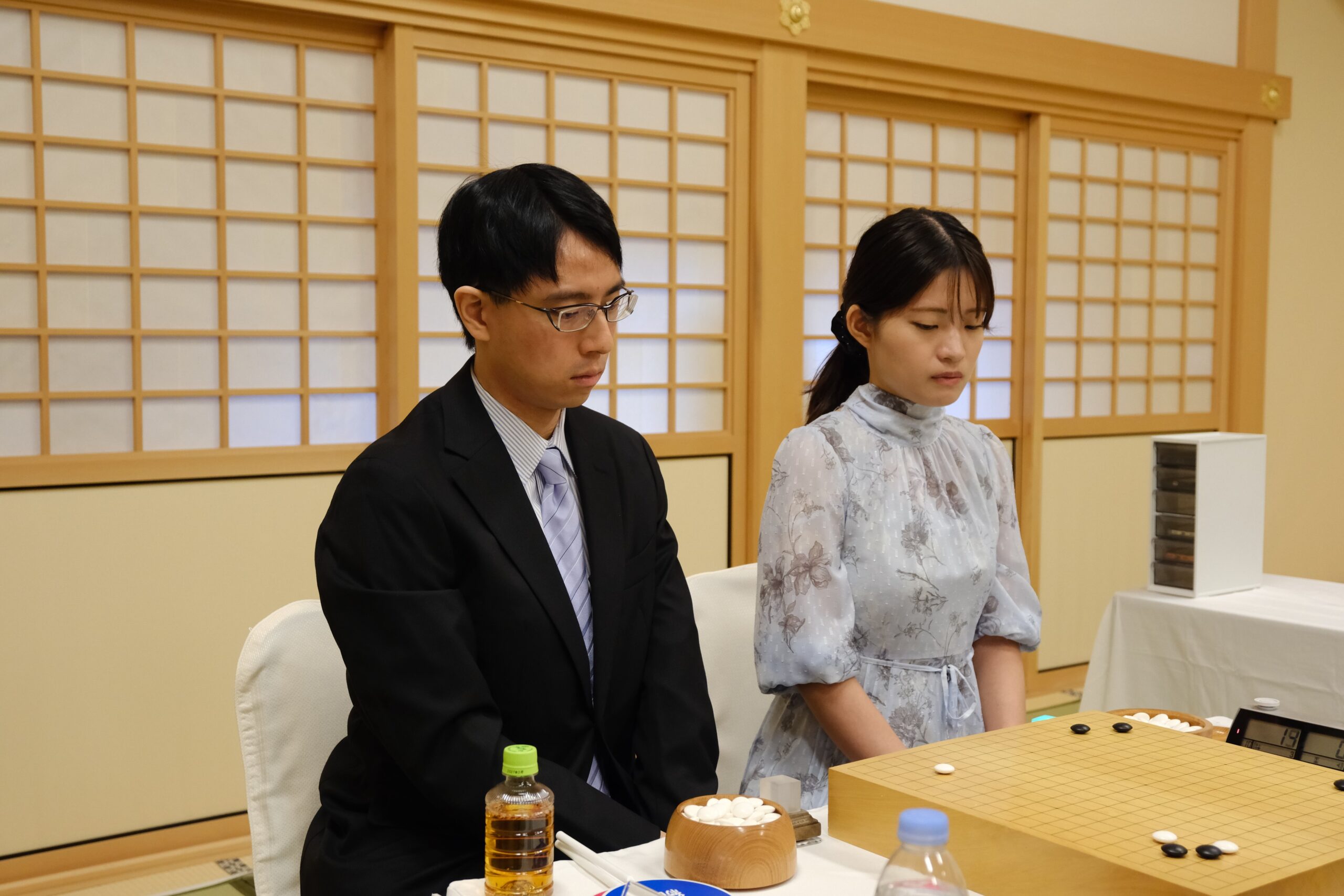
On July 1, in the city of Kofu at the foot of Japan’s southern Alps, a 20-year-old sat down across the board from the strongest Go player in Japan — and stood up a few hours later as the new Honinbo.
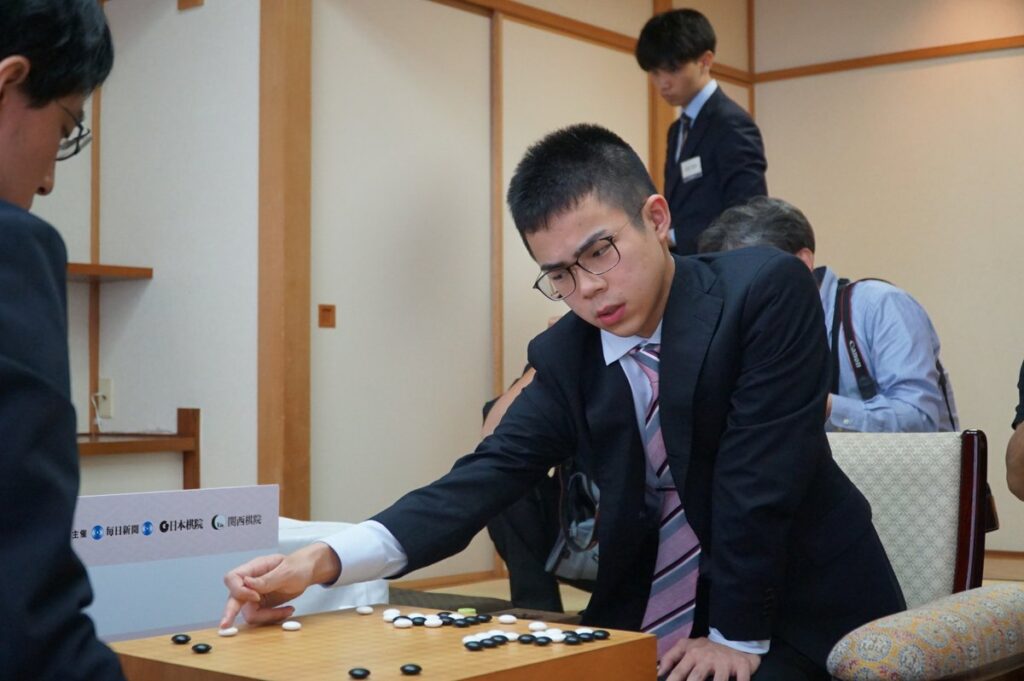
Fukuoka Kotaro, a 7-dan professional playing in the first major title match of his life, defeated defending champion Ichiriki Ryo three games to two in the 81st Honinbo title match. He closed out the series in the decisive Game 5, playing White and forcing Ichiriki’s resignation after 200 moves. At 20 years and 6 months, Fukuoka is the youngest player ever to hold the Honinbo title, breaking a record set way back in 1971 — before his parents were born.
Why this is a big deal
If you’re new to professional Go, here’s the short version: Japan has seven major titles, and the Honinbo is the oldest of them all. Its lineage goes back further than any trophy in almost any sport on Earth. The name comes from the Honinbo house, one of four hereditary Go schools established in Japan’s Edo period in the early 1600s, whose masters were effectively the world champions of their era. In the 1930s, the last hereditary Honinbo gave up the title so it could be decided by open competition, and the modern Honinbo tournament was born in 1939. Winning it puts your name on a list that stretches back four centuries.
The youth record Fukuoka just broke belonged to Ishida Yoshio, a legend nicknamed “the Computer” for his famously precise counting, who won the title in 1971 at age 22 and then defended it five years running. For 55 years, nobody younger managed the feat. Fukuoka didn’t just edge the record — he beat it by two full years, in his very first appearance in a top-seven title match.
The kid who went to Korea alone
Fukuoka’s path to this moment is a story in itself. Born in Tokyo in December 2005, he discovered the game at age four after spotting a Go board at his grandfather’s house. By second grade he had joined the Hong Dojo, a Tokyo training academy run by a Korean-born professional, and by fourth grade he made a decision that would be remarkable for any child: he moved to South Korea — alone, without speaking the language — to train in the world’s most ferocious Go environment, flying back to Japan only intermittently.
The gamble paid off. Back in Japan as an insei (a trainee in the professional development system), he reeled off a staggering 114 consecutive wins while rocketing up the ranks, and turned professional in 2019 at just 13 years old. Go fans got their first real glimpse of his ceiling in 2024, when he won the Ryusei, a fast-paced televised tournament, beating the great Iyama Yuta in the final.
A changing of the guard?
His opponent in this match was no ordinary champion. Ichiriki Ryo, 29, came in holding four of Japan’s seven major crowns and chasing his fourth straight Honinbo defense. He is also Japan’s standard-bearer on the international stage, having won the Ing Cup world championship in 2024 — Japan’s first victory in a major world Go title in nearly two decades.
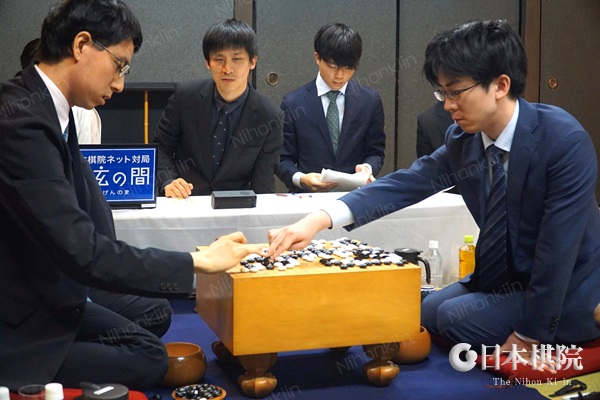
The series was a genuine slugfest. Fukuoka drew first blood in May, Ichiriki roared back to take Games 2 and 3 and stood one win from a successful defense — and then the challenger simply refused to lose, taking Game 4 in Hakone and the finale in Kofu. Afterward, Fukuoka said that winning one of the seven major titles had been his stated goal, and that after a one-sided loss in Game 3 he resolved to focus on the quality of his play rather than the result. Ichiriki, now reduced to a still-formidable triple crown of Meijin, Oza, and Tengen, was blunt in his self-assessment, saying the content of his games was poor and that he needs to sharpen his judgment.
For years, Japanese Go has been ruled by a small circle at the top — Ichiriki, Iyama Yuta, and Shibano Toramaru trading the big titles among themselves. Fukuoka’s breakthrough is the clearest sign yet that the next generation has arrived, and he has said his ambition now is to compete with those top players on equal footing across the other six titles.
One more perk of the win: under Japanese Go association rules, capturing the Honinbo comes with an automatic promotion. Fukuoka woke up on July 2 as an 8-dan — and as the newest name in a lineage four hundred years deep.