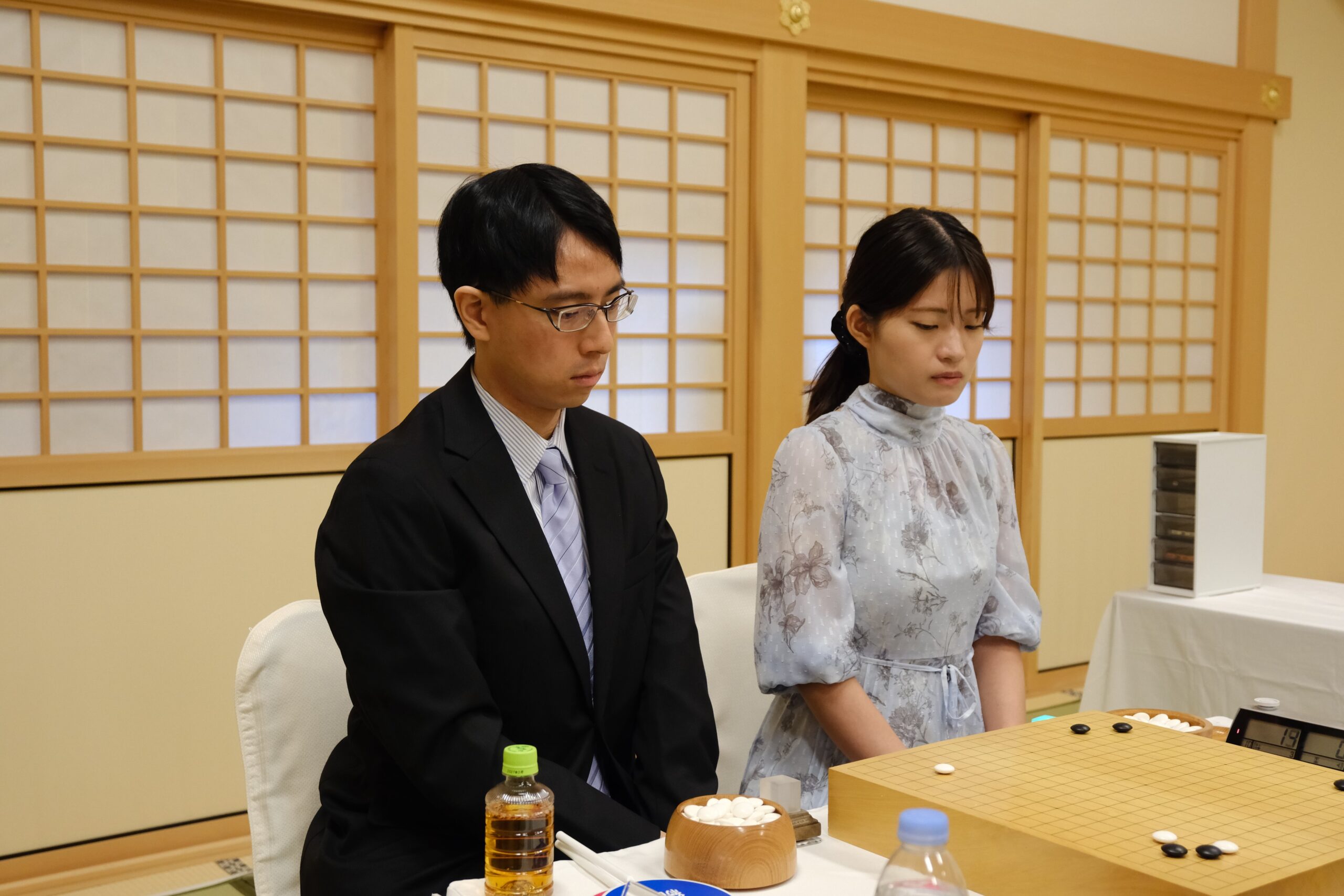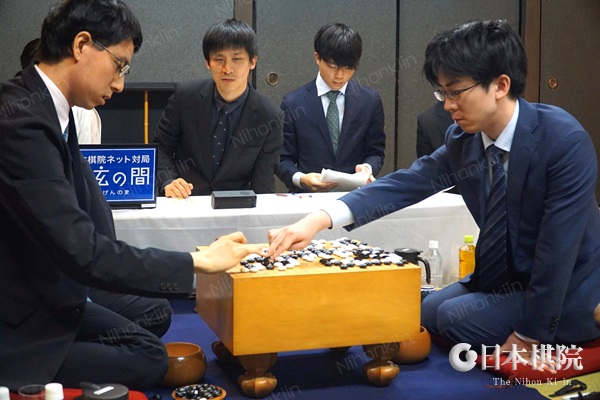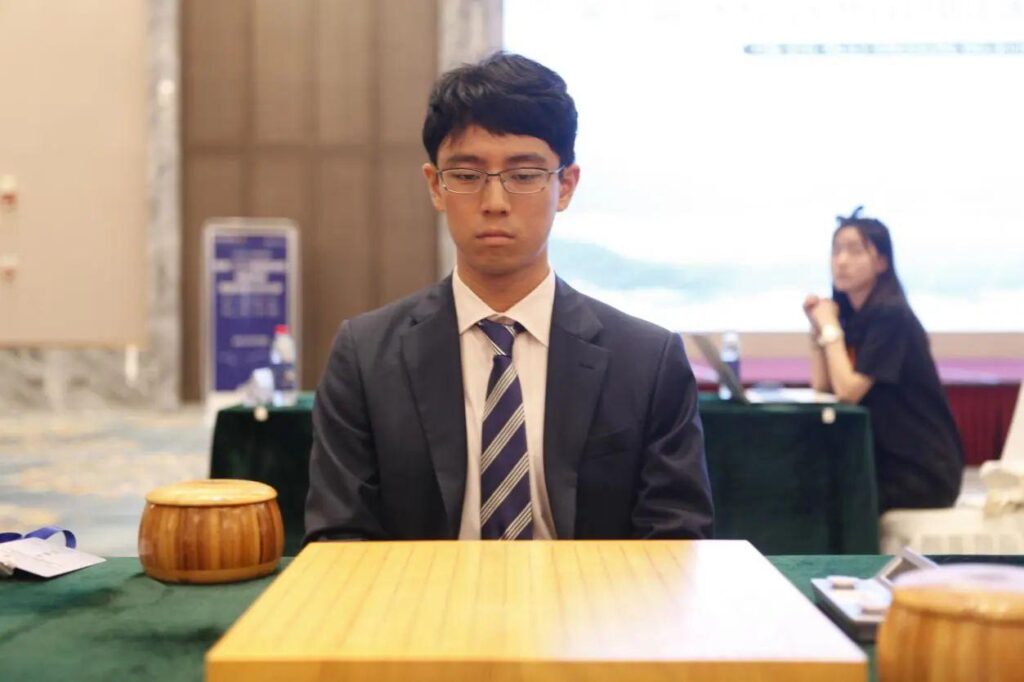

The Meijin champion leads Shibano 2–0 after a second straight win in Izu. He will spend the autumn defending three titles at once, against the only three players in Japan who look capable of taking them.
Ichiriki Ryo finished Game 2 of the 51st Meijin at 3:19 on Thursday afternoon, playing White and forcing Shibano Toramaru’s resignation at move 180. He leads the series 2–0, and he is now two wins from a third consecutive Meijin.
For Shibano, the position is uncomfortably familiar. He went 0–2 down in this same fixture last year, dragged it back with a win in Game 3, lost Game 4, won Game 5 to stay alive, and then lost the series 4–2. The year before that, also 4–2. Three consecutive years as Ichiriki’s Meijin challenger, and the closest he has come is two games.
What is supposed to be different this time is that in the spring Shibano finally beat him, taking the Kisei in a seven-game series — the first title match he has won against Ichiriki in his career. He arrived in Kofu holding the Kisei and Judan. Two games later, none of that is showing on the scoreboard.
How he earned the challenge
Shibano won the right to be here on July 27, in the cleanest way the format allows. He entered the final simultaneous round of the challenger league at 6–1, a game clear of Kyo Kagen at 5–2, and the pairing put the two of them across from each other. Kyo needed the win to force a playoff and had the better of the opening and middlegame, before — as he described it afterwards — miscalculating in the lower left. Shibano won with White by resignation to finish 7–1 and take the league outright.
He was unimpressed with himself, saying 7–1 flattered the quality of his play. Worth noting anyway: the last time he posted 7–1 in this league, in 2022, he went on to take the Meijin from Iyama Yuta.
The same round relegated Fukuoka Kotaro, who has otherwise had the summer of his life. Iyama, Kyo, Motoki Katsuya and Yo Seiki keep their league places.
Three defenses, one autumn
The wider picture is what makes this series worth following even at 2–0. Ichiriki holds the Meijin, the Oza and the Tengen, and between now and the end of the year he defends all three — against three different opponents, each of them a plausible successor.
The Meijin runs against Shibano into late October. On October 7 the Tengen opens in Nagoya against Iyama Yuta, who won the challenge in Osaka last month by beating Murakawa Daisuke and is trying to reclaim a title he has held eight times. That series includes a first for the tournament: Game 3 will be played in Busan, the first Tengen game ever held outside Japan. Then on October 23 the Oza begins against Fukuoka Kotaro, the 20-year-old who took the Honinbo off Ichiriki in July and reached the Oza challenge by beating Iyama in 83 moves.
Line the dates up and October is genuinely crowded. Meijin Game 6 falls on the 14th and 15th. The Oza opens on the 23rd. A Meijin Game 7 would land on the 28th and 29th, with Tengen games threaded between them. If the Meijin goes long, Ichiriki plays two-day title games in consecutive weeks against the three strongest players in the country — while also sitting as a director of his family’s newspaper company in Sendai, a job he has held since 2024.
What to watch
Game 3 is on September 8 and 9 at Gamagori in Aichi. Last year Shibano won the equivalent game, so there is precedent for the series lengthening from here — and precedent, too, for it ending 4–2 anyway.
The larger question is whether anyone converts. Japanese Go spent a decade with Ichiriki, Shibano and Iyama passing the same trophies between them, and Fukuoka’s Honinbo win in July was the first real crack in that arrangement. By New Year, Ichiriki will either have defended all three of his titles against all three of those men, or Japanese Go will look very different.