
Controversial Ruling Sparks Debate About the Future of Go
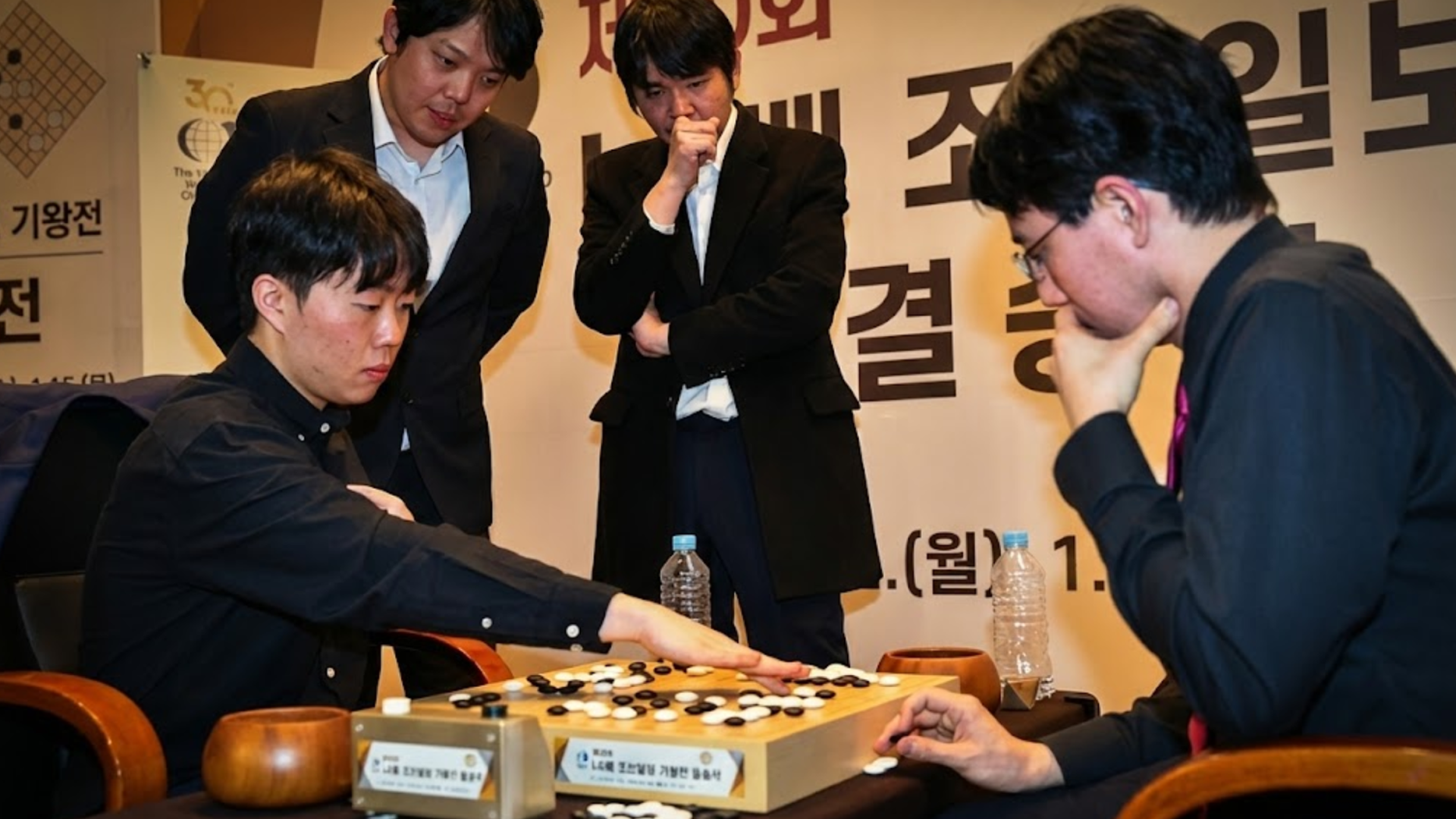
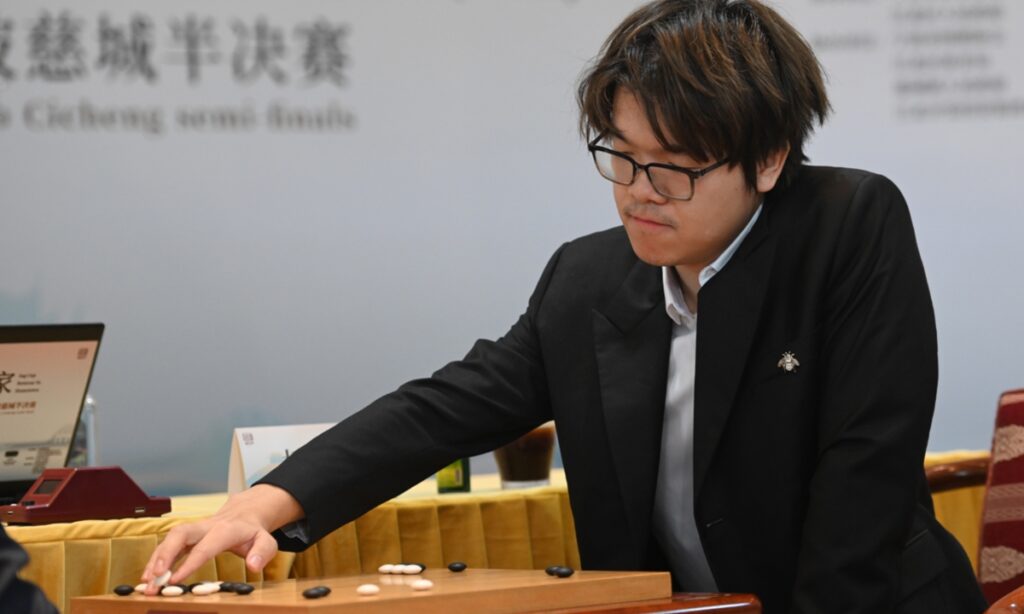
The 29th LG Cup World Go Championship concluded with a controversial ending as Chinese Go star Ke Jie forfeited the final match against South Korean player Byun Sang-il. While Byun Sang-il was declared the victor, the match has ignited a heated debate about rules, fair play, and the future of Go.

Ke Jie, an eight-time world champion, was penalized two points in the second game for violating a newly implemented South Korean Go rule that mandates the placement of captured stones on the lid of the designated container . This seemingly minor infraction, stemming from a rule introduced just two months prior to the final , led to Ke Jie’s loss in the second game, marking the first time a rule violation resulted in a loss in a world-class Go tournament final . During the match, Ke Jie reportedly faced further challenges due to the lid being placed on his uncomfortable side, and he was not allowed to move it .
The controversy escalated further in the decisive third game when Ke Jie was again penalized for not placing a captured stone on the lid. However, the main point of contention arose from the referee’s decision to pause the game during Byun Sang-il’s turn to address the infraction . Ke Jie vehemently protested, arguing that it unfairly provided his opponent with extra thinking time, especially since he was already at a disadvantage in the game after losing stones early on, despite having more time . According to reports, Ke Jie had placed the captured stones back on the table himself after the ko fight had ended , further fueling the debate about the timing and necessity of the referee’s intervention. Ke Jie’s frustration, compounded by the intense scrutiny he felt during the match , culminated in his decision to forfeit the match, handing Byun Sang-il a 2:1 victory .
This incident has sparked widespread discussion within the Go community. Chinese Go player Tao Xin commented that “the game pause gave Byun additional time to think” , highlighting the potential impact of the referee’s intervention on the match’s outcome. Byun Sang-il acknowledged in a post-match interview that he was unaware of the new rule until the referee announced Ke Jie’s first violation during the game . He further stated, “I think that rules like the stone placement violation are unnecessary because they have nothing to do with the outcome of the game” .
The Chinese Go Association expressed its disagreement with the match result and stated that it does not accept it . The association criticized the timing of the referee’s intervention and its disruptive impact on the game . Former national Go champion Meng Tailing pointed out that the rule, introduced just two months before the final, was not applied until the final match . He added that “where to place captured stones is a minor detail, yet this small matter directly impacted the outcome of the match” . China’s Go legend Nie Weiping commented on the incident, calling the LG Cup finals a tragedy for the Go community .
This controversy has brought to light the differences in playing habits between Chinese and South Korean Go players. Meng Tailing explained that “Chinese Go rules don’t strictly require keeping dead stones, and players usually return them to the container after the game” . In contrast, South Korean and Japanese players typically mark empty spaces on the board first and then add the captured stones from both players’ containers to calculate the final score . This difference in approach highlights the need for greater cultural sensitivity in rule enforcement, especially in international tournaments.
The incident has also exposed internal divisions within the Chinese Go community. Reports indicate that China’s national team head coach Yu Bin faced criticism for his remarks on players needing to “correct bad habits” , suggesting differing opinions on how the situation should have been handled.
The incident has raised fundamental questions about the balance between upholding rules and preserving the spirit of the game. Ke Jie’s father, Ke Guofan, a well-known Go player himself, criticized the referee’s intervention, stating that “it felt like the game wasn’t even about Go anymore” . He argued that when the outcome of a match hinges more on technicalities than on the actual gameplay, it undermines the essence of Go, which emphasizes strategy, skill, and respect .
This controversy surrounding the LG Cup final serves as a critical juncture for the Go community, prompting reflection on the future direction of the game. It underscores the need for a delicate balance between maintaining the integrity of the game through rules and fostering an environment that prioritizes sportsmanship and strategic excellence.
Implications for the Future of Go
The LG Cup final controversy has exposed potential challenges and opportunities for the future of Go:
Rule Standardization: The incident highlights the need for greater clarity and consistency in Go rules across different countries and associations. Standardizing rules would ensure fair play and prevent similar controversies in future international tournaments. This would involve open dialogue and collaboration between Go organizations worldwide to reach a consensus on rules and their interpretation.
Cultural Sensitivity: The differing traditions and playing habits among Go players from various cultural backgrounds need to be considered when implementing and enforcing rules. A more culturally sensitive approach could help avoid misunderstandings and ensure that rules are applied fairly and consistently. This might involve providing more comprehensive guidelines and training to players and referees to bridge cultural gaps and promote understanding.
Focus on Sportsmanship: While rules are essential for fair play, the emphasis should remain on the core values of Go, such as sportsmanship, respect, and strategic thinking. Encouraging players to uphold these values can help prevent the game from becoming overly focused on technicalities. This could involve promoting ethical conduct, fair play, and respect for opponents through educational initiatives and awareness campaigns within the Go community.
Technological Advancements: The use of AI in Go has become increasingly prevalent, and this incident raises questions about the role of technology in officiating and interpreting rules. Exploring the potential of AI to assist referees in making more informed decisions could be a valuable step towards ensuring fair play. This could involve developing AI tools that can analyze game situations, provide real-time feedback on potential rule violations, and assist referees in making objective and consistent rulings.
Psychological Impact: The controversy highlights the psychological impact of high-pressure situations and strict rule enforcement on players’ performance. It raises concerns about increased anxiety and pressure on players in future tournaments, emphasizing the need for a more supportive and understanding environment. This could involve providing players with access to mental health resources, stress management techniques, and creating a culture of support within the Go community.
International Relations: This incident has the potential to strain relations between the Chinese and South Korean Go communities. It underscores the importance of fostering mutual respect, understanding, and collaboration to maintain the integrity and global appeal of the game. This could involve organizing joint events, promoting cultural exchange programs, and facilitating dialogue between players and officials from different countries.
The controversy also presents a unique paradox: Byun Sang-il won the championship without technically winning a game, while Ke Jie, despite the official result, might still be considered a nine-time world champion by many . This irony further emphasizes the complexities and contradictions arising from the incident and its potential long-term impact on the perception of achievements and legacies within the Go world.
The LG Cup final has undoubtedly left a mark on the Go community. While the controversy surrounding the rule violation and Ke Jie’s forfeiture is unfortunate, it presents an opportunity for reflection and growth. By addressing the issues of rule standardization, cultural sensitivity, sportsmanship, and the psychological impact of high-pressure situations, the Go community can work towards a future where the focus remains on the strategic brilliance and intellectual depth that define this ancient game. Open dialogue, collaboration, and a renewed focus on the core values of Go are crucial to navigate the challenges and ensure a thriving future for the game.